From lab to field: Pierre Lovera explains UNIVERSWATER’s third-year priorities
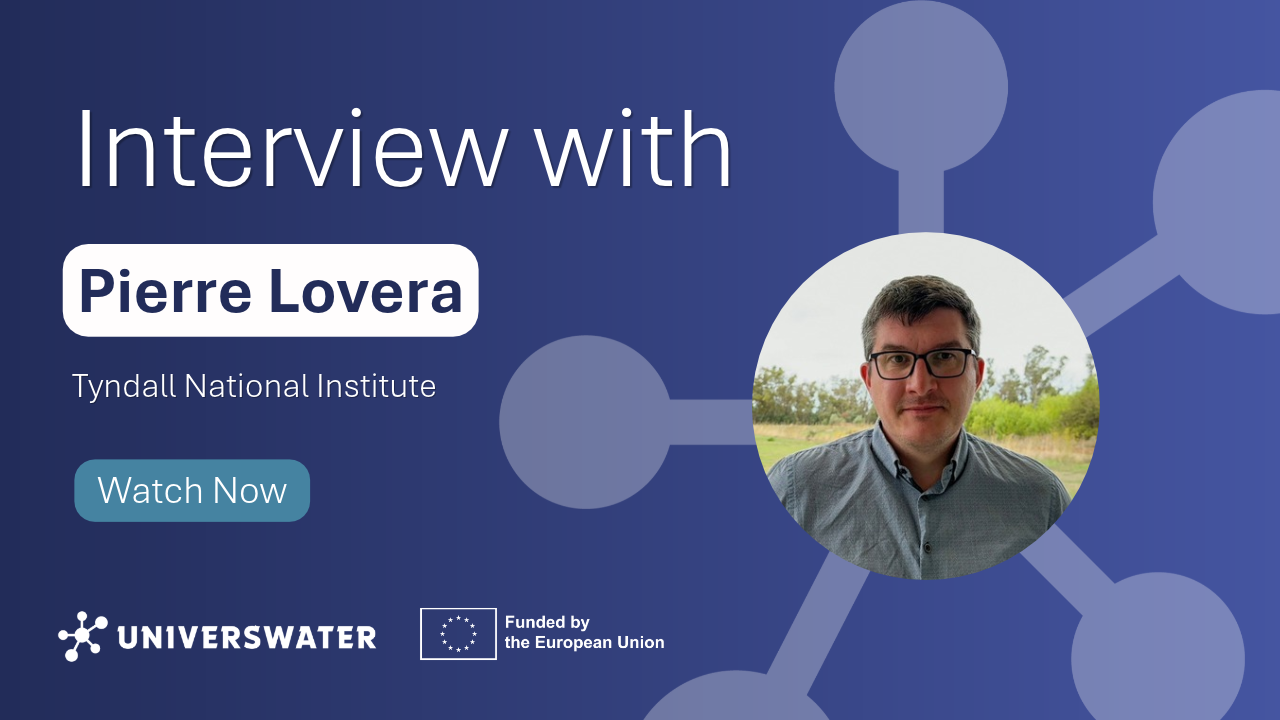
Moving technologies from the laboratory into real agricultural settings marks the next phase for UNIVERSWATER as it enters its third year. In a new video interview filmed at Torre Guaceto, Italy, project coordinator Pierre Lovera explains how the project is addressing water quality and scarcity, and outlines the work ahead.
Agriculture both depends on water and contributes to pressures on its availability and quality. Excessive groundwater abstraction can intensify scarcity and salinisation, while fertilisers and pesticides can affect nearby water bodies. UNIVERSWATER is developing tools to help address these interconnected challenges and support more sustainable agricultural water management.
The project combines sensors for nutrients, pesticides and E. coli with Earth observation data and decision-support tools tailored to farmers, water utilities and protected-area managers. It also investigates treatment approaches, including constructed wetlands and advanced oxidation processes, to address water quality problems.
Three use cases provide different settings for developing and testing these solutions. In Ireland, the project is exploring the treatment and reuse of dairy soiled water—water used to wash farmyards—to support more circular water use and reduce nutrient pollution risks.
At Torre Guaceto in Italy, research focuses on using reclaimed water from a nearby wastewater treatment plant for irrigation. The team is investigating its effects on soil and crops and its potential to help mitigate salinisation associated with groundwater over-abstraction and seawater intrusion.
Over the next 18 months, the focus will be on collecting field data, integrating the different technologies and developing the combined UNIVERSWATER solution. This phase will connect laboratory development with the practical needs of the people managing agricultural water resources.
Watch the full interview with Pierre Lovera to discover the project’s progress and next steps.